How a Global Design Team Found Its Rhythm with Rayon
Rayon's Q&A session with Interior Designer Jarret Yoshida


"With Rayon, team members across different countries can update a plan together in real time. That speed and clarity just weren't possible before."
Meet Jarret Yoshida: A globally rooted, detail-driven interior designer and founder of Jarret Yoshida Interior Design.
Based between New York and Honolulu, Yoshida leads a boutique studio known for refined residential work across the United States and beyond. Born and raised in Hawaii and shaped early on by his career at the Smithsonian, he approaches design with global sensibility and a deep respect for diverse aesthetics.
For over two decades, his team has mastered the art of remote, multi-city collaboration—long before distributed work became standard. Today, the studio handles projects ranging from New York apartments to freestanding homes across the country, always prioritizing thoughtful design, deep client trust, and a process refined through years of experience.
As design technologies have evolved, so has Jarret's practice—now with Rayon at the center of how his team designs, collaborates, and delivers work.
We sat down with Jarret to explore how his team uses Rayon and why it has become an essential tool in their workflow.
Tell us about your studio, team, and the kinds of projects you take on.
"Our team is spread across multiple cities and even countries, so we've long embraced a collaborative, multi-time-zone workflow. It's second nature to us now. For years, we've worked this way out of necessity—and today, tools like Rayon finally support the way our studio naturally operates.
Ninety-five percent of our work is residential, with a strong focus on apartments and the unique challenges they present: architectural restrictions, building regulations, tight footprints, and the need for precise coordination. The remaining portion of our projects includes select office spaces. Whether it's an urban apartment or a country home, we aim to bring clarity, beauty, and thoughtful problem-solving to every space we touch."
What is your design philosophy?
"Our best work happens when clients feel comfortable enough to trust the process. Great design is deeply collaborative, but it also relies on allowing experts to do what they do best.
Designing a home is emotional, personal, and often filled with "what if" moments. I understand that instinctively. Even as a designer, working on my own home reminded me just how hard it can be to step back and let the creative process unfold. But when clients embrace that balance of dialogue and trust, the outcome is always more cohesive, more meaningful, and ultimately more beautiful.
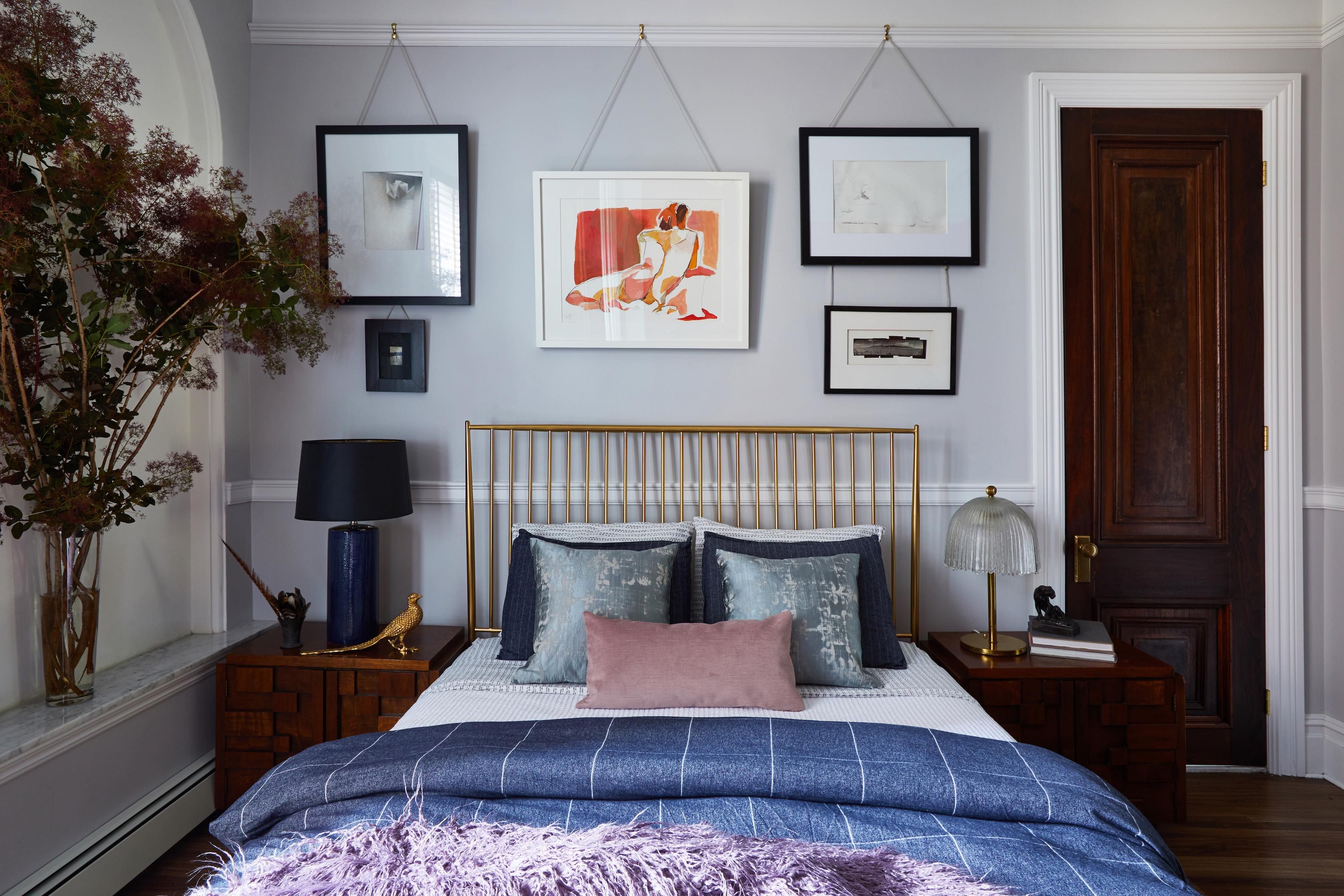
I also don't believe in a singular aesthetic. My early years at the Smithsonian taught me to appreciate a wide spectrum of design styles. As a result, our work blends influences and ideas in a way that feels personal to each client. Our portfolio spans decades, yet people rarely guess which projects belong to which era—and that's intentional. We strive for spaces that feel enduring and timeless rather than tied to trends."
What software were you using before Rayon, and what challenges did you face?
"We used AutoCAD—great for what it is, but it's legacy software. It doesn't reflect the way modern design offices need to work. Design should adapt to how people live and work, not force people into outdated workflows - and Rayon embraces that idea.
We needed a platform that supported a team spread across the world, often working asynchronously. Before, mistakes happened—someone modified file A instead of file A3. Even the most organized teams run into that. Rayon smoothed all of that out. Now there's one source of truth, and we don't waste time on file confusion."
How has Rayon improved your design process?
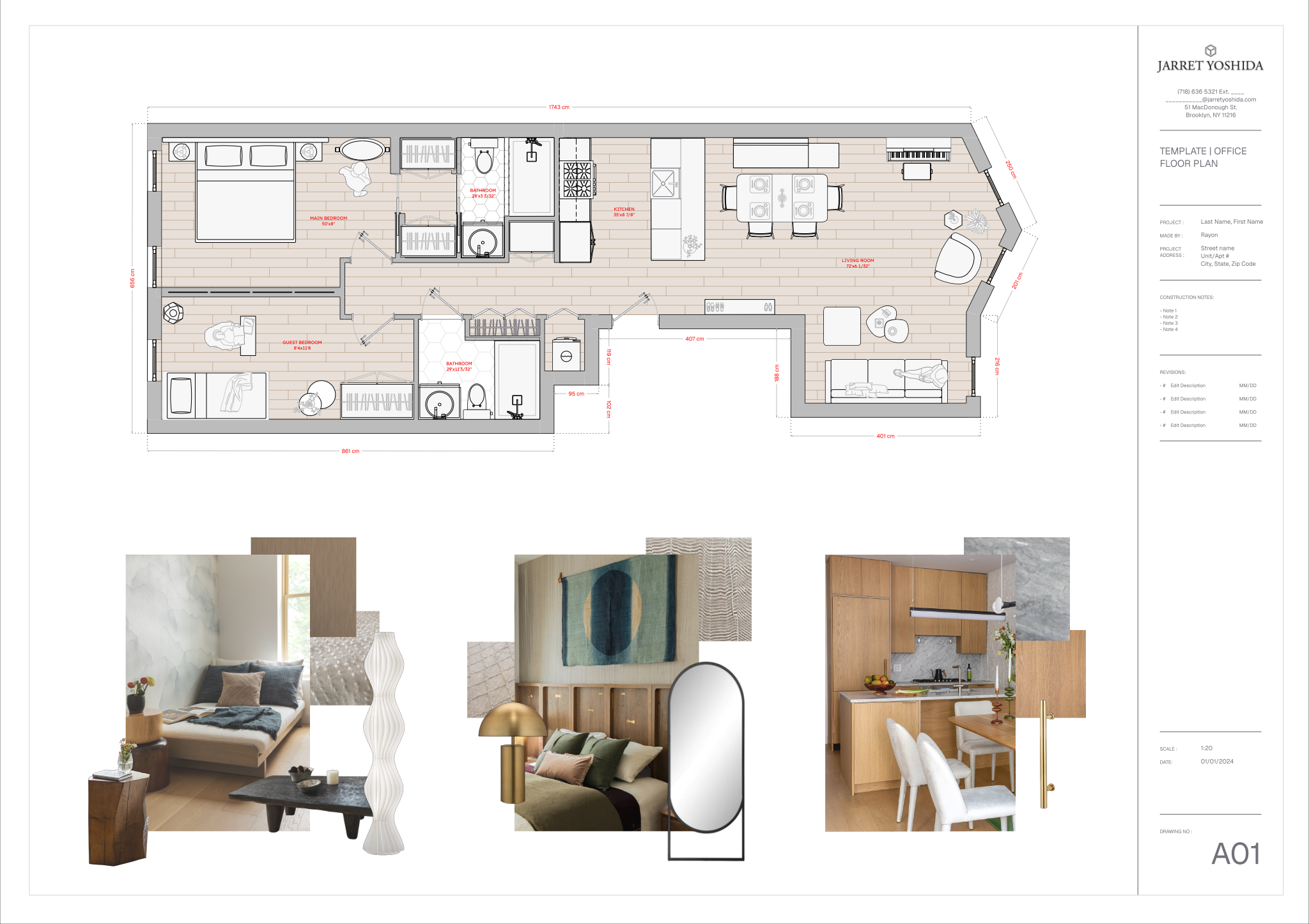
"Rayon has fundamentally simplified how we work. With everything centralized and always current, we’re able to draw, update, and share plans in real time—whether a team member is in New York, Mexico, or Brazil. When deadlines tighten, multiple designers can jump in, divide tasks, and review each other’s work instantly, which has noticeably increased our speed and accuracy.
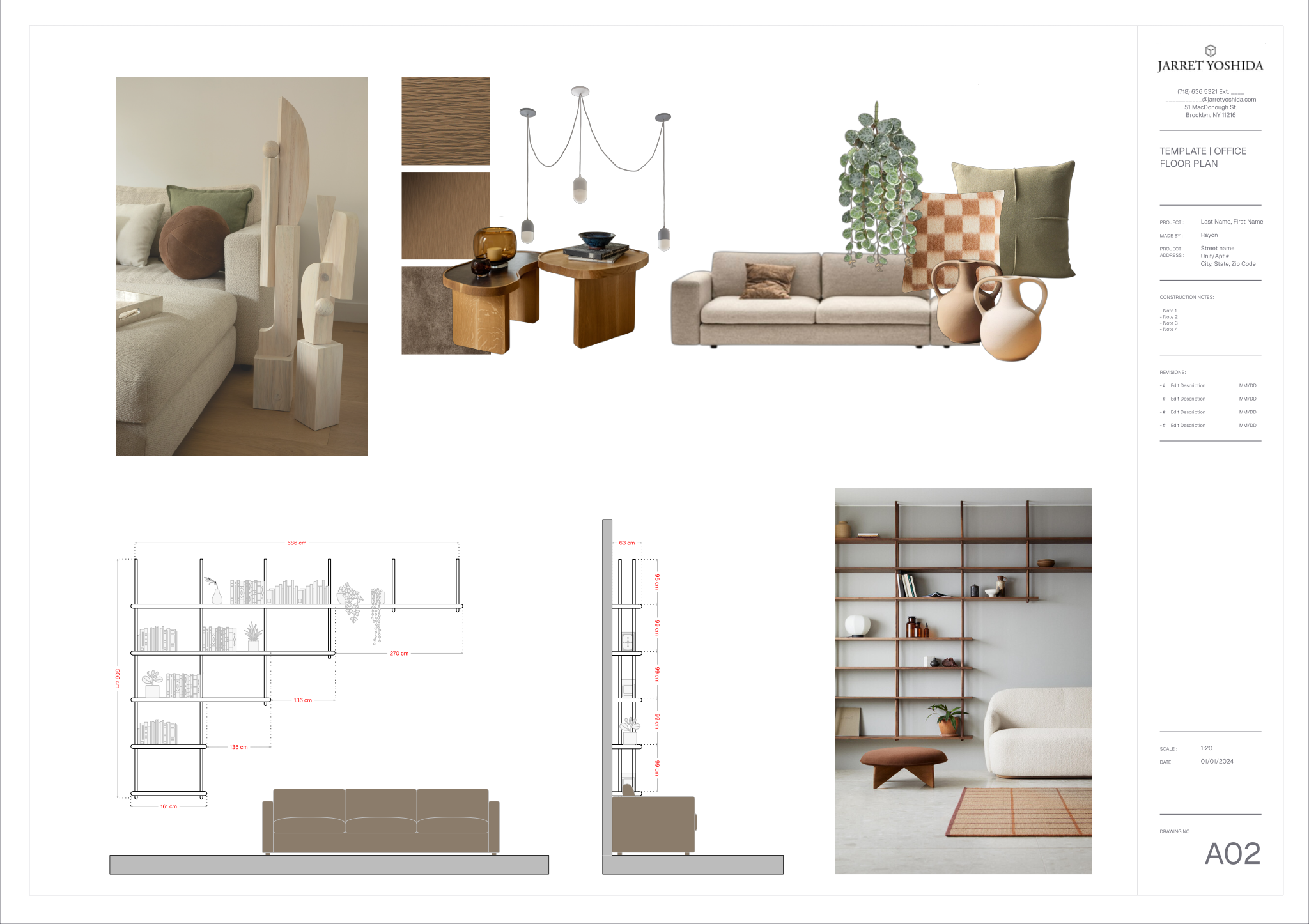
Rayon has also elevated our client-facing work. Being able to stylize drawings and incorporate mood boards or materials directly onto the plan makes our presentations clearer and more cohesive. Clients can understand design intent more easily, and everything feels unified within one platform."
What is one of your favorite features of Rayon?
"The styling tools stand out because they make plans visually clear and immediately engaging for clients. Sharing live presentations is another major advantage—clients can follow updates as they happen, which enhances transparency and reinforces the value of our work.
What really sets Rayon apart, though, is the immediacy of collaboration. During a meeting, we can restyle a plan, adjust a layout, or add contractor notes in the moment, and everyone sees the changes at the same time. That level of real-time clarity simply wasn’t possible with any other software we’ve used."
Any final thoughts?
"Well, technically I could retire if I wanted to - but I don't - I love my job so much. And now with tools like Rayon, things have gotten even better. Rayon makes the tiny frustrations go away. It's like removing the sand from your shoe on a long hike. I can be more of a designer and less of an accidental IT person. Rayon has transformed the experience for our whole office."


Rayon is the fastest tool for creating perfect architectural drawings; it's the next-generation CAD software for interior designers and architects working in teams!
Want to know more about Rayon? Watch this 20-minute demo or check out Rayon's YouTube channel for more interviews and tutorials.