Designing Intimate Spaces for Modern Living: FURNISHD Studio’s Approach
Rayon's Q&A session with Interior Designer Emma Alexander Joseph


“The speed of dropping furniture brands’ CAD files into Rayon is unmatched—it’s been a game-changer for how we curate and represent items in our drawings.”
Meet FURNISHD, a Melbourne-based interior design studio known for its highly considered residential work. The practice delivers everything from styling and furniture curation to full-service interior design projects and complete fit-outs. With a growing team of seven designers and projects across Australia and internationally, Furnishd is recognised for its deeply personal approach to design and its embrace of tools that support fast-paced, collaborative workflows.
Emma, tell us about yourself and the team at FURNISHD.
I’m an interior designer at Furnishd, working as part of a close-knit team of seven designers. Because everyone in the studio comes from a design background, collaboration is central to how we work—ideas are shared openly, and each project benefits from multiple perspectives. We work primarily on residential interiors, with projects spanning Australia and a small number overseas, and our process is shaped by a strong focus on detail, flexibility, and collaboration.
How would you describe your design process and philosophy?
Our process always begins with conversation. Before any plans are drawn, we take the time to deeply understand our clients—their lifestyle, how they use their spaces, and what they want to feel when they’re in them. The more considered and detailed those early discussions are, the more successful the outcome becomes.
Because residential interiors are inherently personal and intimate, our approach is rooted in highly tailored design rather than a one-size-fits-all solution. We see each project as a collaboration, translating our clients’ needs and aspirations into spaces that feel both functional and deeply individual. That emphasis on personalisation carries through every stage of the process, from early concept development to the final details, ensuring the end result genuinely reflects the people who live there.
Can you share a project you’re currently excited about?
We’re currently working on the renovation of a mid-century home, and it’s been an incredibly rewarding project. A big part of the challenge is respecting and preserving the integrity of the original architecture while carefully reinterpreting it for contemporary living. It’s about finding that balance—honouring the history and character of the house while ensuring it feels relevant, functional, and reflective of how people live today.
The clients have been exceptionally trusting, which has allowed us a lot of creative freedom, particularly in the early concept phase. That freedom has made the process highly explorative, giving us space to test ideas, refine layouts, and push the design further. Now, as those concepts begin to translate into built form, it’s especially exciting to see the project take shape and move from digital ideas into a lived reality.
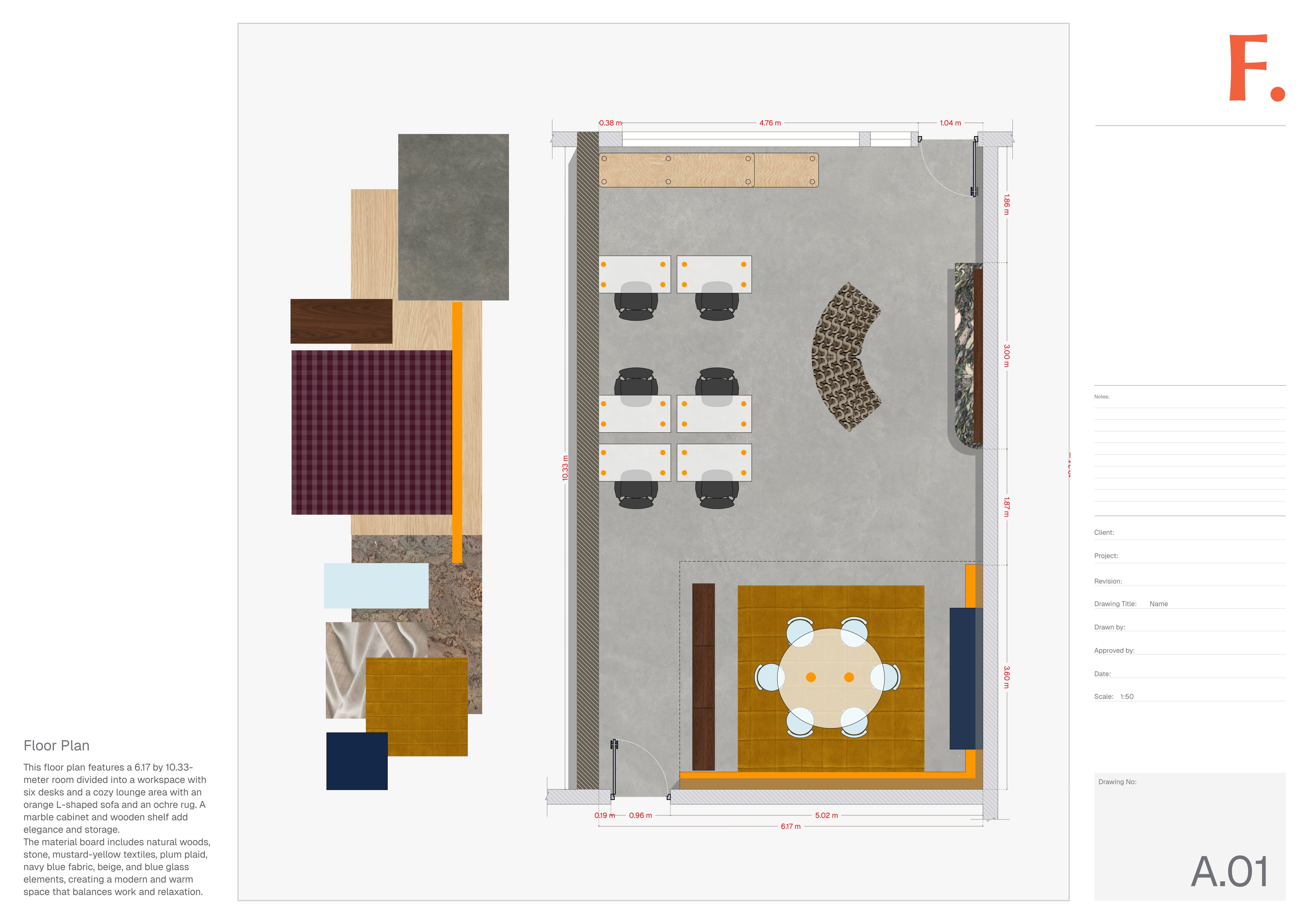
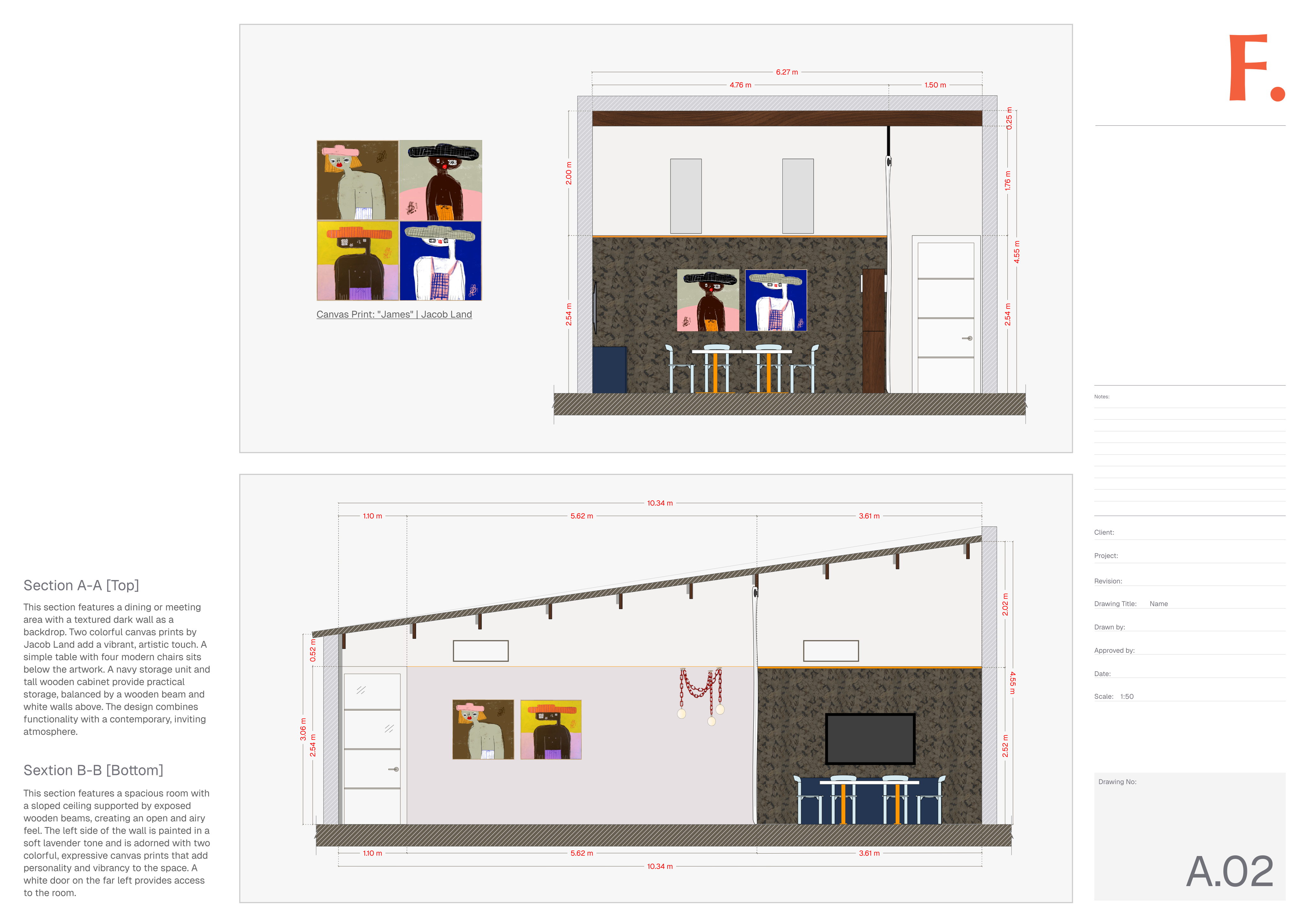
How has Rayon influenced the way you explore, develop, and deliver design ideas?
Rayon has changed the way we approach design on a day-to-day level. It’s made the process far more playful and explorative, removing a lot of the friction that can come with heavier, more rigid software. We can mock things up quickly, duplicate iterations, and test different layouts or furniture options without losing momentum, which is especially important in the early concept stages.
It’s been particularly transformative for furniture curation. Being able to download existing CAD or DWG files and drop them straight into our models is a huge time-saver, and the speed of doing that in Rayon genuinely beats any other software we’ve used. We’ve also started using Rayon beyond floor plans—designing custom rugs in-house and translating those digital drawings into physical pieces. Seeing something move from a digital platform into real life is one of the most exciting parts of the design process, and Rayon has made that transition feel seamless.
What does your toolset look like, and how does it support your design process?
Our toolset is intentionally flexible because no two projects are ever the same. We still use AutoCAD for certain technical drawings, alongside Adobe tools when needed, but introducing Rayon this year has significantly shifted how we work. Having a lightweight, browser-based platform allows us to move fluidly between concept development, layout planning, and furniture curation, without disrupting the creative flow.
That adaptability is especially important in a studio like ours, where projects are highly personalised and often evolve quickly as ideas develop. The ability to switch between tools depending on the task means we can stay responsive without compromising on detail or quality.


How does collaboration work within the studio, especially on fast-moving projects?
Collaboration is at the core of how we work. On many projects, we’ll have three or four designers working on the same drawing at the same time—editing layouts, refining plans, and exploring ideas together. Using shared, live documents in Rayon means everyone is always working from the most up-to-date version, without the need to manage multiple files or resave documents.
Real-time collaboration allows us to think more openly as a team, resolve design challenges faster, and keep projects moving in a fast-paced environment. It supports a more collective way of working, where ideas can be tested and developed collaboratively rather than in isolation.
Rayon is the fastest tool for creating perfect architectural drawings; it's the next-generation CAD software for interior designers and architects working in teams!
Want to know more about Rayon? Watch this 20-minute demo or check out Rayon's YouTube channel for more interviews and tutorials.